Description
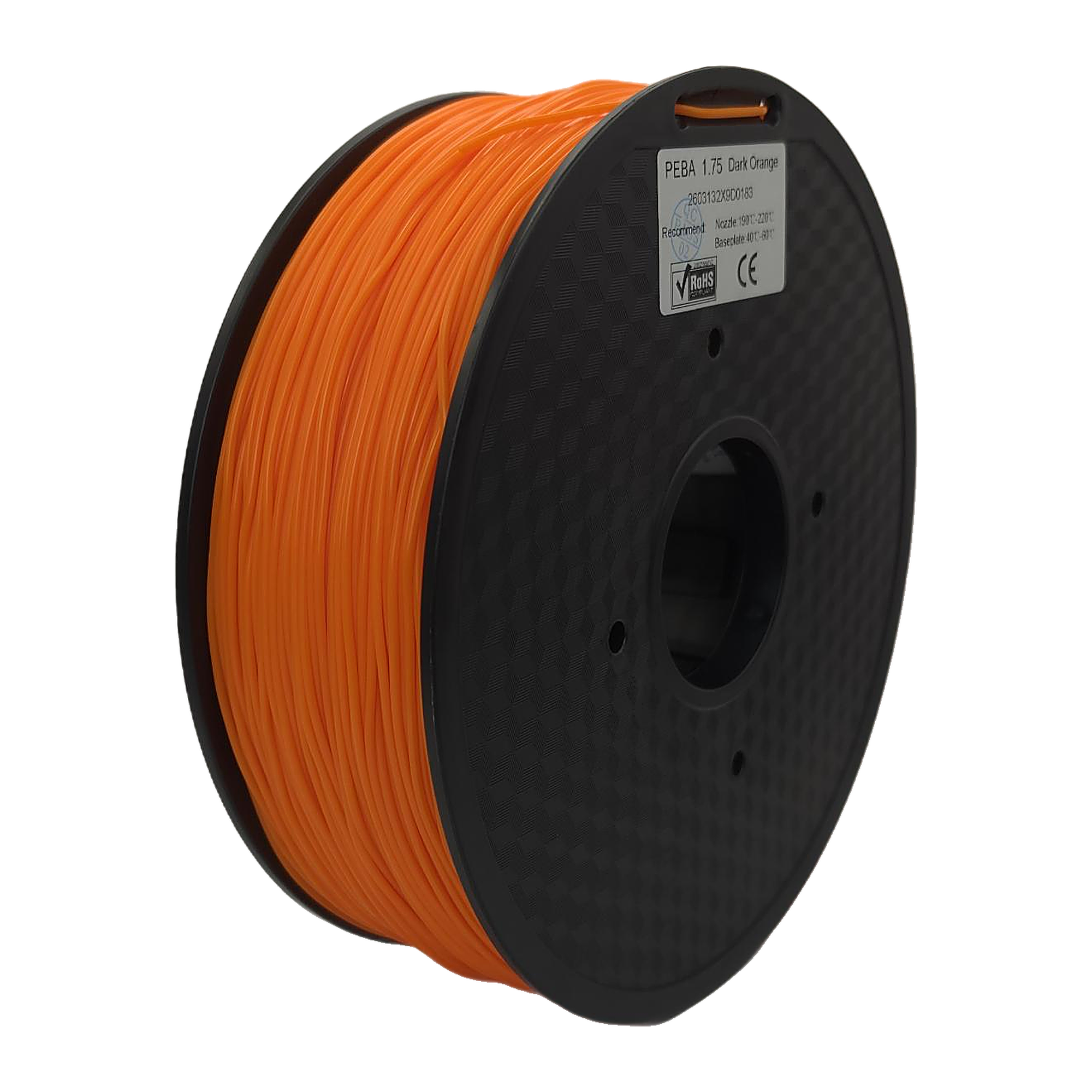
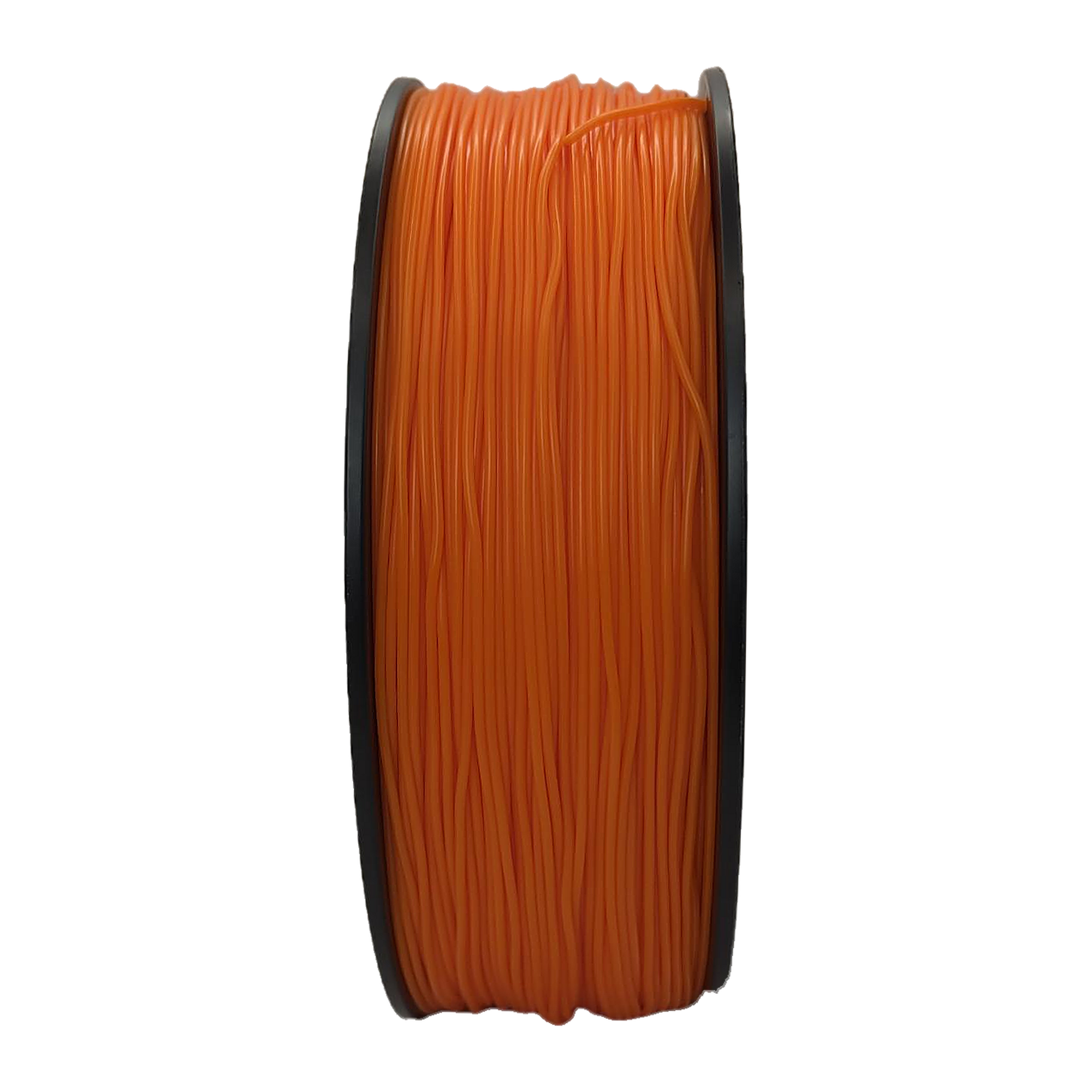
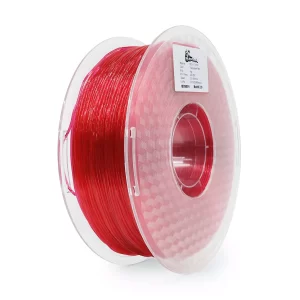
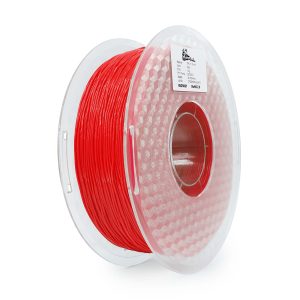
PEBA Filament — High-Rebound Flexible Filament for Springy, Lightweight Parts
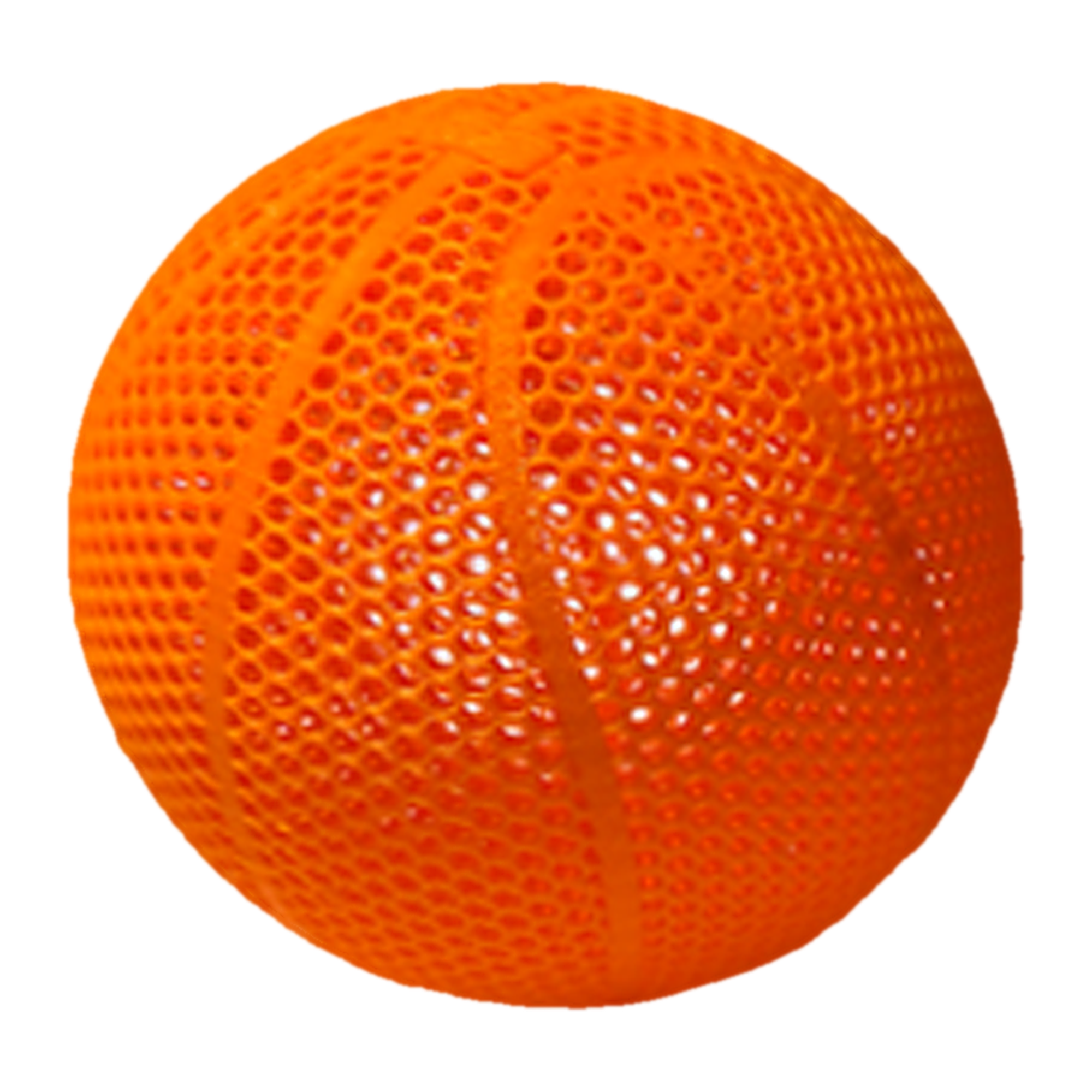
PEBA (polyether block amide) is the material behind high-end running shoe midsoles and sports gear, and it’s now available as a 3D printing filament. It combines the stretch and softness of a flexible filament with something TPU can’t match: a springy, high-energy-return feel. Parts compress, absorb impact, and snap back, making PEBA the filament for cushioning, bounce, and repeated flexing.
If standard TPU feels dead or heavy for your project, PEBA is the upgrade.
What Makes PEBA Different from TPU?
Higher Rebound
PEBA returns far more of the energy put into it. Where TPU absorbs and dampens, PEBA bounces back, which is why it’s used in footwear midsoles, sports equipment, and bouncing parts.
Lighter Weight
PEBA has a lower density than TPU, so printed parts are noticeably lighter. That matters for wearables, footwear, drones, and anything where weight counts.
Better Fatigue Resistance
PEBA handles repeated compression and flexing over long cycles without losing its shape or cracking, so it’s well suited to parts that get worked hard.
Cold-Weather Flexibility
PEBA stays flexible at low temperatures where many other flexible materials stiffen, so it works well for outdoor use.
Often Prints Faster
PEBA can often be printed faster than TPU of a similar hardness, which shortens print times on larger flexible parts.
Direct Drive Recommended
Like all flexible filaments, PEBA feeds best on a direct-drive extruder, where the short filament path gives positive control. Bowden setups can print it, but expect to run slower, disable or reduce retraction, and tune carefully.
Print Settings
Nozzle temperature: typically 220–250°C
Bed temperature: typically 40–60°C
Print speed: typically 20–70 mm/s, starting slower for the first layers
Diameter: 1.75 mm
Retraction: minimal or disabled to avoid jams
Extruder: direct drive recommended
Bed surface: PEI or textured plate, with or without glue
PEBA prints at higher temperatures than many TPU filaments. Start in the middle of the range and adjust for surface finish and layer adhesion.
Drying & Storage
PEBA absorbs moisture from the air, and wet filament causes stringing, bubbling, and rough surfaces. Dry it at around 60–70°C for several hours before printing, and store it sealed with desiccant. Printing from a dry box helps most on long jobs.
Applications
Shoe insoles and midsoles
Sports and fitness gear
Cushioning, bumpers, and shock-absorbing parts
Drone and robotics components
Wearables and orthotic prototypes
Gaskets, seals, and flexible joints that need to spring back
Functional prototypes where TPU feels too dead or heavy


Reviews
There are no reviews yet