
Description
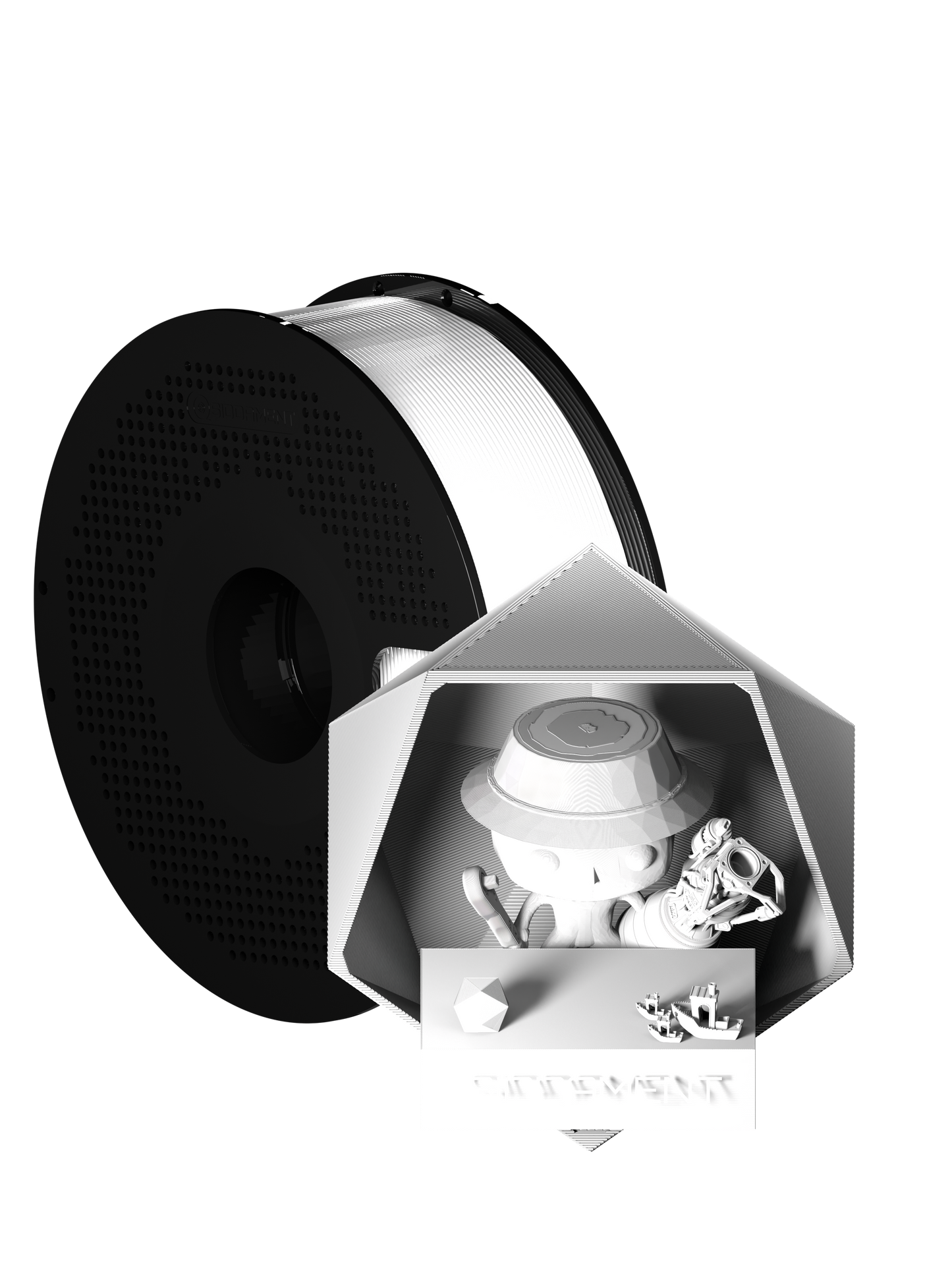
Siddament PCTG — Tougher Than PETG with Better Clarity
PCTG (Polycyclohexylenedimethylene Terephthalate Glycol-modified) is the next step up from PETG — offering higher impact resistance, better optical clarity, and improved toughness while printing with essentially the same settings. If you’ve been printing functional parts in PETG and finding them too brittle under impact or not clear enough for transparent applications, PCTG fixes both without changing your workflow.
PCTG vs PETG — What’s the Upgrade?
Impact Resistance
PCTG has significantly higher impact resistance than PETG. Where PETG can crack or shatter under sudden stress, PCTG absorbs and distributes the force, making it far more durable for functional parts, enclosures, and anything that gets dropped, flexed, or knocked around.
Optical Clarity
PCTG produces clearer, more glass-like transparent prints than PETG — particularly noticeable in the Transparent variant. If you’re printing light diffusers, display cases, windows, or any part where you need to see through the material, PCTG delivers a cleaner result.
Same Printability
PCTG prints with virtually identical settings to PETG — same nozzle temperatures, same bed temperatures, same speeds. No enclosure required. If you can print PETG, you can print PCTG with no changes.
Applications
Protective enclosures and housings that need impact resistance, transparent and translucent display cases, light covers, and windows, functional mechanical parts under stress and vibration, consumer products and household items subject to wear and tear, prototypes that need to survive real-world handling and testing.
Print Settings
Nozzle temperature: 230–270°C
Bed temperature: 70–85°C
Print speed: 40–100 mm/s
Diameter: 1.75 mm
Enclosure: not required
Drying: 65°C for 4–6 hours before use

Reviews
There are no reviews yet