
Description
Lightweight Foaming TPU — Over 50% Lighter Than Standard
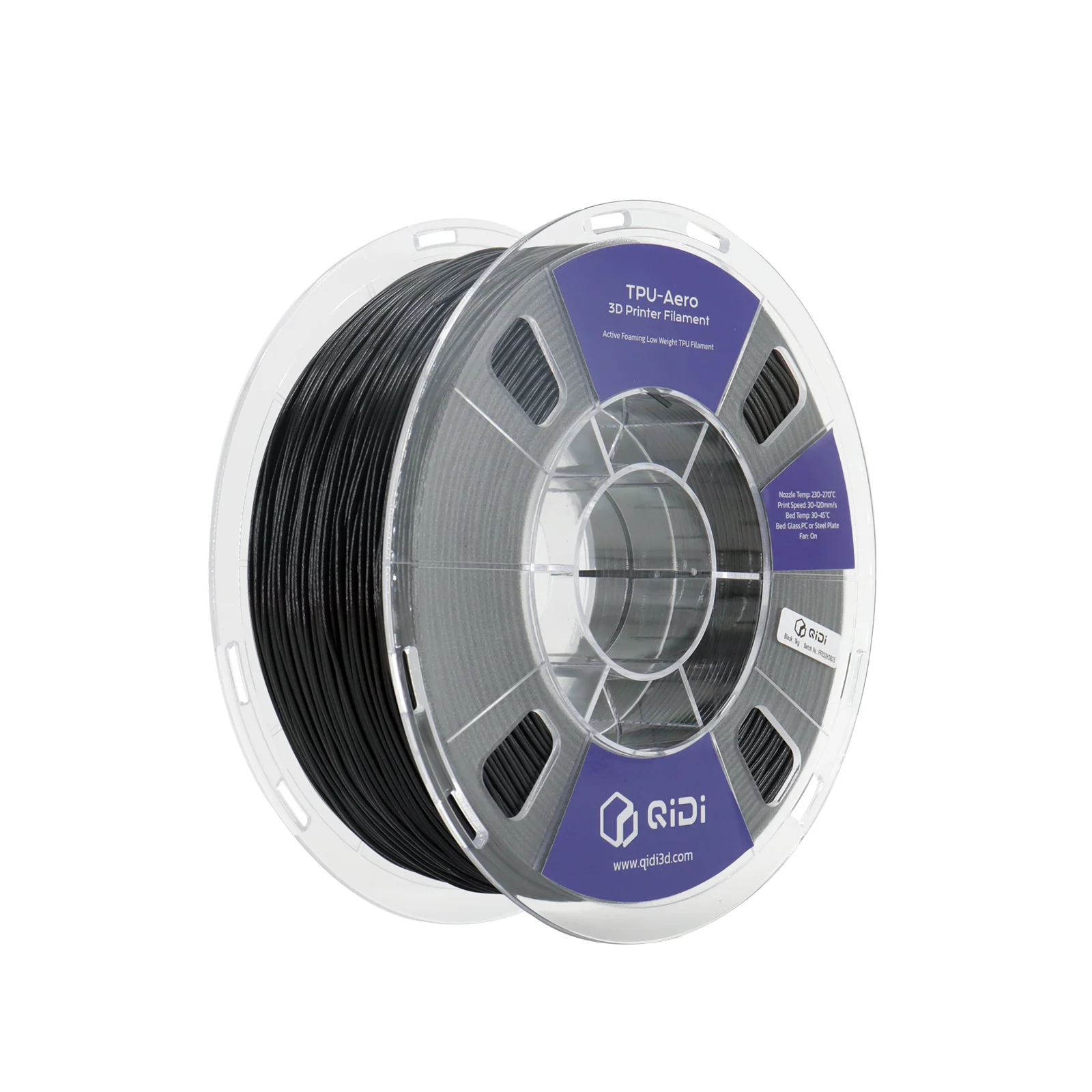
Qidi Tech TPU-Aero is an engineering-grade flexible filament that uses foaming technology to produce parts over 50% lighter than standard TPU. With a density of just 0.74 g/cm³ and adjustable shore hardness from 85A down to 65A — controlled by temperature alone — it opens up applications that were previously impossible with conventional TPU.
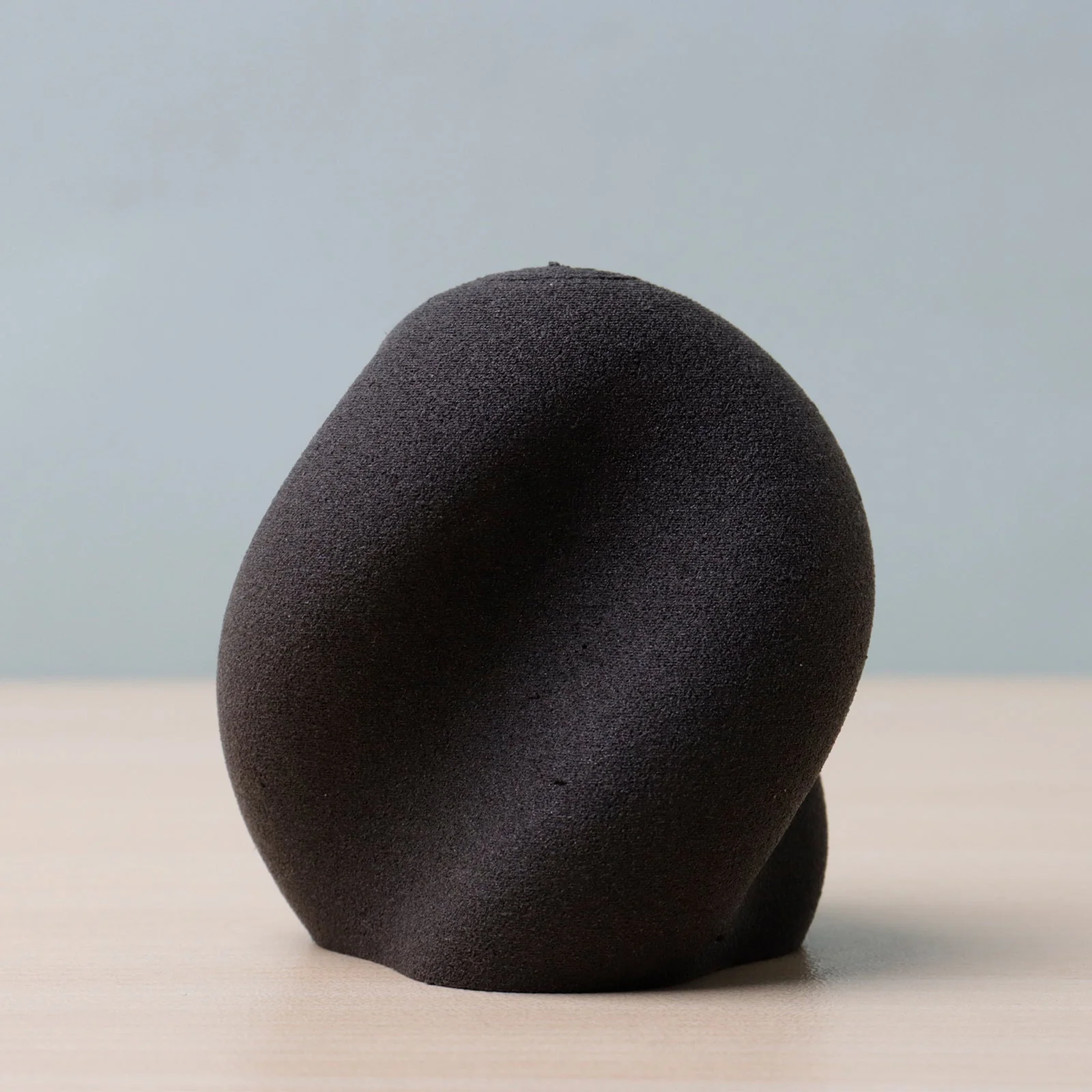
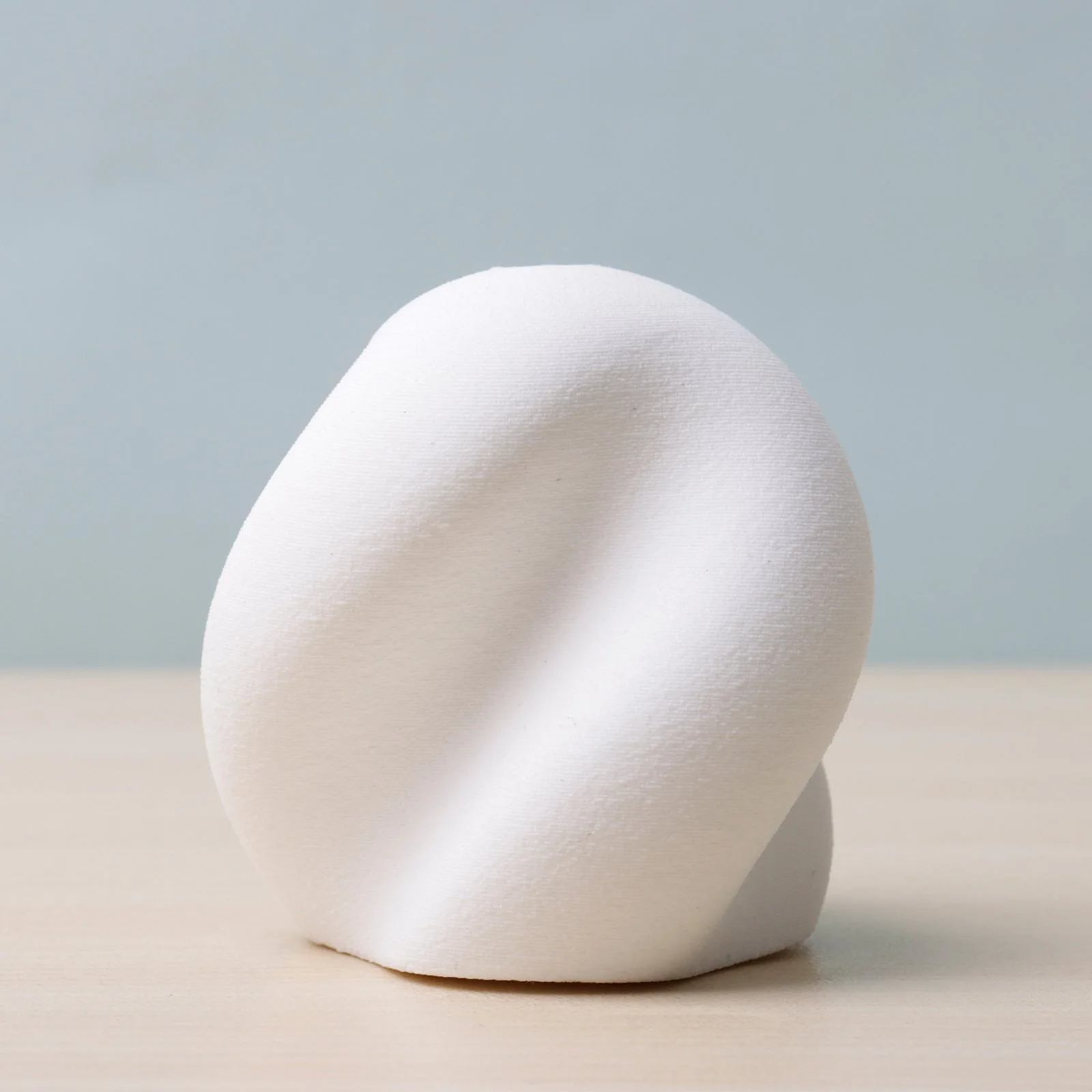
The foaming process also produces a stunning matte, fabric-like surface texture that looks and feels premium straight off the build plate. No glossy plastic look — TPU-Aero prints look like finished products.
Adjustable Hardness from One Spool
This is the standout feature of TPU-Aero. By adjusting the nozzle temperature between 230–270°C, you control the foaming ratio, which directly changes the material’s hardness and density. Lower temperatures produce denser, firmer parts closer to 85A. Higher temperatures increase foaming for softer, lighter parts down to 65A. You can even vary hardness within a single print by changing temperature across layers.
This means you can tune the material to match your exact application — from semi-rigid drone bumpers to soft, grippy RC car tyres — all from one spool.

Extreme Flexibility & Durability
Despite its light weight, TPU-Aero delivers exceptional performance with 576% elongation at break, outstanding deformation recovery — parts bounce back to shape after compression, excellent tear resistance for repeated stress and impact, and low moisture absorption for stable performance in humid conditions.
Applications
FPV drone and RC plane parts — lightweight landing gear, bumpers, antenna mounts, and balloon tyres
RC car tyres and inserts — tune shore hardness to match your surface and driving style
Custom vibration dampers, motor mounts, and compliant seals
Sporting goods — shock-absorbing pads, grips, and protective gear
Wearable tech — comfortable straps and enclosures
Industrial prototyping — tough, flexible functional parts
Creative projects — unique fabric-like texture for artistic designs
Print Settings
Nozzle temperature: 230–270°C (lower = harder/denser, higher = softer/lighter)
Bed temperature: 30–45°C with glue stick
Print speed: 30–50 mm/s
Drying: 70–80°C for 4–6 hours before first use
Retraction: disable — foaming material expands in the hot end and retraction doesn’t prevent stringing. Print one model at a time or use sequential printing
Bed surface: PEI, PC, or glass with adhesive. Some textured PEI plates may grip too strongly — use alcohol to release parts if needed
Important Printing Notes
TPU-Aero behaves differently to standard TPU due to the foaming process. Disable retraction in your slicer — the expanding material in the hot end makes retraction ineffective. Print one model at a time or use sequential printing to minimise stringing from travel moves. Enable “avoid crossing outer wall” in your slicer to reduce ooze during travel. Dry thoroughly before printing — moisture causes bubbles, holes, and excessive stringing. These adjustments are essential for good results with foaming TPU.
Specifications
Material: TPU-Aero (Foaming TPU)
Density: 0.74 g/cm³
Shore hardness: 65A–85A (adjustable via temperature)
Tensile strength: 4.23 MPa
Elongation at break: 576%
Diameter: 1.75 mm
Net weight: 1 KG
Reviews
There are no reviews yet