-2-300x300.jpg)
-1-300x300.jpg)
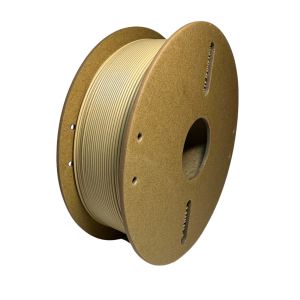
Wood Infused PLA is standard PLA blended with fine wood particles, giving prints a natural wood-like colour, texture, and even a faint wood scent when printing. It handles much like regular PLA, with the wood content adding a distinctive look and feel rather than changing how easy it is to print.
Yes, to a surprising degree. Prints have a matte, slightly grainy surface with warm natural tones, and can be sanded, stained, or finished in ways similar to real wood, making it popular for decorative pieces, ornaments, and props that want an organic look.

Standard Wood Infused PLA gives a consistent natural wood-tone finish throughout the print. Wood Infused Rainbow PLA combines the wood texture and grain effect with gradient colour transitions through the print, giving a more decorative, visually striking result while keeping the same wood-grain surface character.
Most Wood Infused PLA prints well between 190–220°C on the nozzle, with a bed temperature of 45–60°C, similar to standard PLA. Check the specific product listing for the manufacturer’s recommended settings, as wood content can shift the ideal temperature slightly between brands.
Wood particles are mildly abrasive, so a hardened steel nozzle is recommended for extended use, though a standard brass nozzle will still work fine for occasional printing. If you print wood-filled filaments regularly, upgrading to a wear-resistant nozzle will extend its lifespan.
Yes. Wood Infused PLA responds well to light sanding, which brings out the wood grain texture on the surface, and can be finished with wood stains or oils for an even more authentic timber look.
It’s slightly more brittle than standard PLA due to the wood particle content, so it’s best suited to decorative and display prints rather than parts under significant mechanical stress.
Like standard PLA, it’s hygroscopic, and the wood content can make it even more prone to absorbing moisture from the air. Store opened spools in a dry environment and use a filament dryer if print quality drops after extended exposure to humid air.