-2-300x300.jpg)

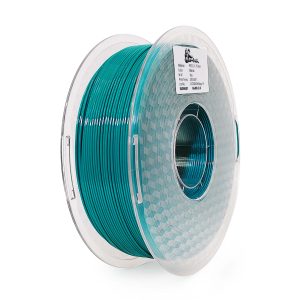
PETG (polyethylene terephthalate glycol) is a durable, semi-flexible thermoplastic that combines the ease of printing PLA offers with much better strength, layer adhesion, and temperature resistance, making it one of the most popular all-round filaments for functional parts.
Most PETG prints well between 230–250°C on the nozzle, with a bed temperature of 70–80°C, though exact settings vary by brand and colour additive. Check the specific product listing for the manufacturer’s recommended settings, and run a temperature tower when dialling in a new roll.
Yes. PETG has better layer adhesion, impact resistance, and flexibility than PLA, and holds up better under mechanical stress and higher temperatures. It’s a better choice for functional parts, brackets, and anything that needs to take a knock, while PLA remains easier to print and better for fine detail and rigidity.

PETG is naturally more prone to stringing than PLA due to its stretchy, oozy nature at temperature. Reducing nozzle temperature slightly, increasing retraction distance and speed, and drying the filament are the most common fixes, since a hygroscopic (moisture-affected) spool makes stringing significantly worse.
PETG handles outdoor and higher-heat environments noticeably better than PLA, thanks to its higher glass transition temperature and better UV resistance. For prolonged direct sun exposure or the highest durability outdoors, ASA is still the stronger choice, but PETG is a solid mid-ground option.
A heated bed is recommended for good first-layer adhesion, but an enclosure isn’t necessary since PETG doesn’t warp the way ABS or ASA does. It prints reliably on open-frame printers, making it accessible on most machines.
PETG is known for bonding very strongly to glass and some PEI surfaces, which can damage the bed or the print when removing it. A light layer of glue stick, a dedicated PETG release agent, or a textured PEI plate designed for PETG will make removal much easier.
PETG is hygroscopic and absorbs moisture from the air, which leads to stringing, bubbling, and a rougher surface finish. Store opened spools in a dry environment and use a filament dryer or dry box if print quality drops or the filament has been exposed to humid air for an extended period.