Description
Basic Nylon PA6-GF — Glass Fibre Reinforced Nylon at a Budget Price
Basic Nylon PA6-GF combines standard PA6’s toughness, heat resistance, and chemical resistance with approximately 15% glass fibre reinforcement — adding stiffness, dimensional stability, and reduced warping while keeping nylon’s characteristic fatigue resistance intact. If you’ve printed with Basic PA6 and needed a part that holds tighter tolerances or resists deflection under load, PA6-GF is the direct upgrade.
Why PA6-GF Over Standard PA6?
Standard PA6 is already an excellent engineering material, but its flexibility can work against it in applications that need to hold precise dimensions under load — gears with tight tolerances, structural brackets, or jigs and fixtures. Adding 15% glass fibre significantly increases stiffness and dimensional stability while reducing the warping that can occur on larger nylon prints, without sacrificing the fatigue resistance and chemical resistance that make nylon valuable in the first place.
Same Nylon Strengths, More Rigidity
PA6-GF retains everything that makes nylon useful in mechanical and industrial contexts — genuine resistance to oils, fuels, and greases, and the ability to absorb repeated stress cycles without cracking. The glass fibre addition builds a stiffer, more dimensionally accurate part on top of that foundation, at the cost of requiring a hardened nozzle due to the abrasive fibre content.
Nozzle Considerations
The 15% glass fibre content is abrasive and will wear a standard brass nozzle relatively quickly. A hardened steel nozzle is required for reliable, long-term use. A 0.4mm nozzle works but a 0.6mm nozzle is recommended to reduce partial clogging risk over longer prints, particularly on larger jobs where nozzle wear accumulates.
Moisture — Still a Priority
Like standard PA6, the glass-fibre-reinforced version is highly hygroscopic. Thorough drying before every printing session is essential — wet PA6-GF produces brittle, bubbling prints with poor layer adhesion regardless of the reinforcement.
Print Settings
Nozzle temperature: 260–300°C — requires an all-metal hotend rated for these temperatures
Bed temperature: 100–120°C — PA-specific adhesive or garolite surface recommended
Print speed: 50–200 mm/s
Enclosure: recommended — reduces warping on larger parts
Nozzle: hardened steel required — 0.6mm recommended for reliability
Drying: 75–100°C for 6+ hours before every print session
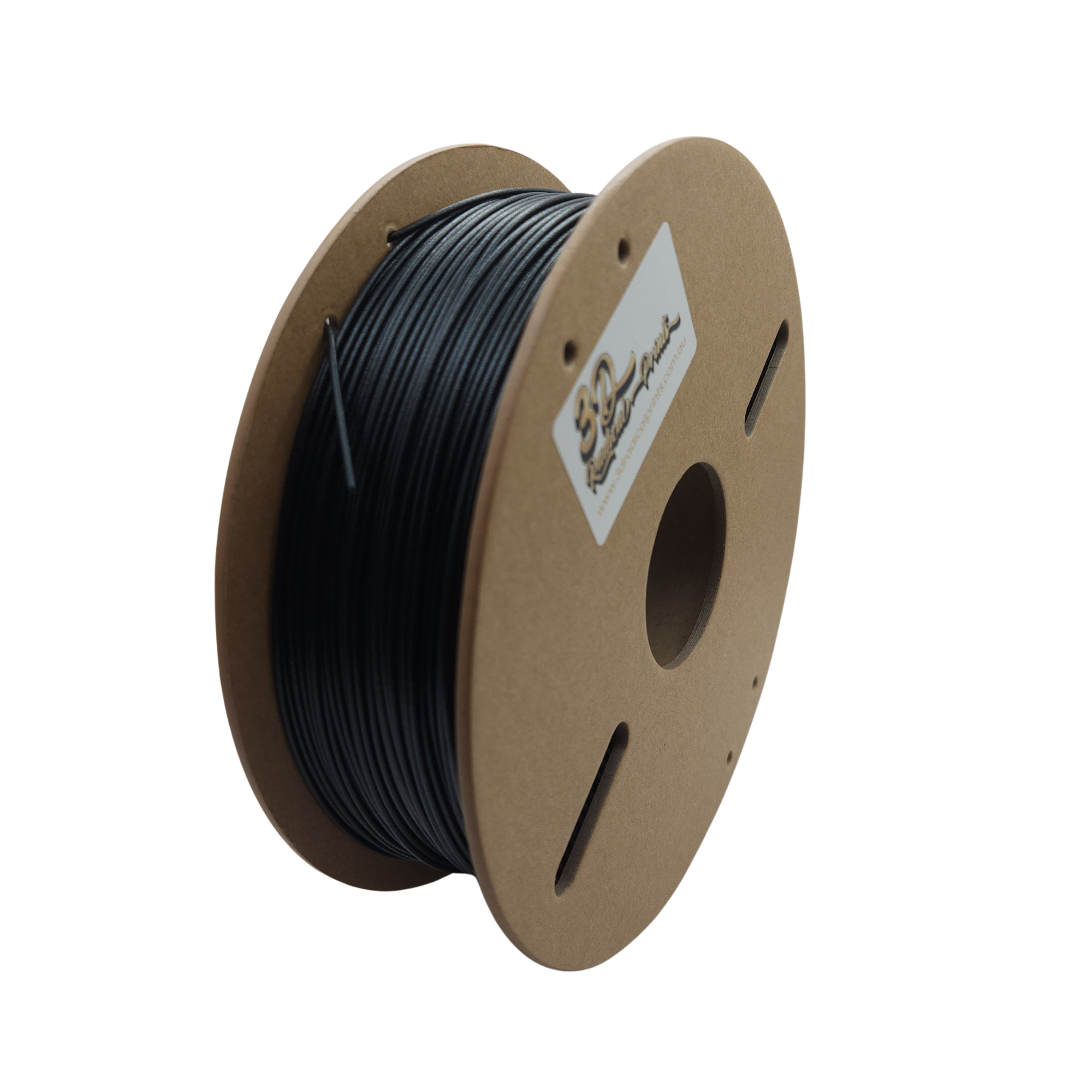
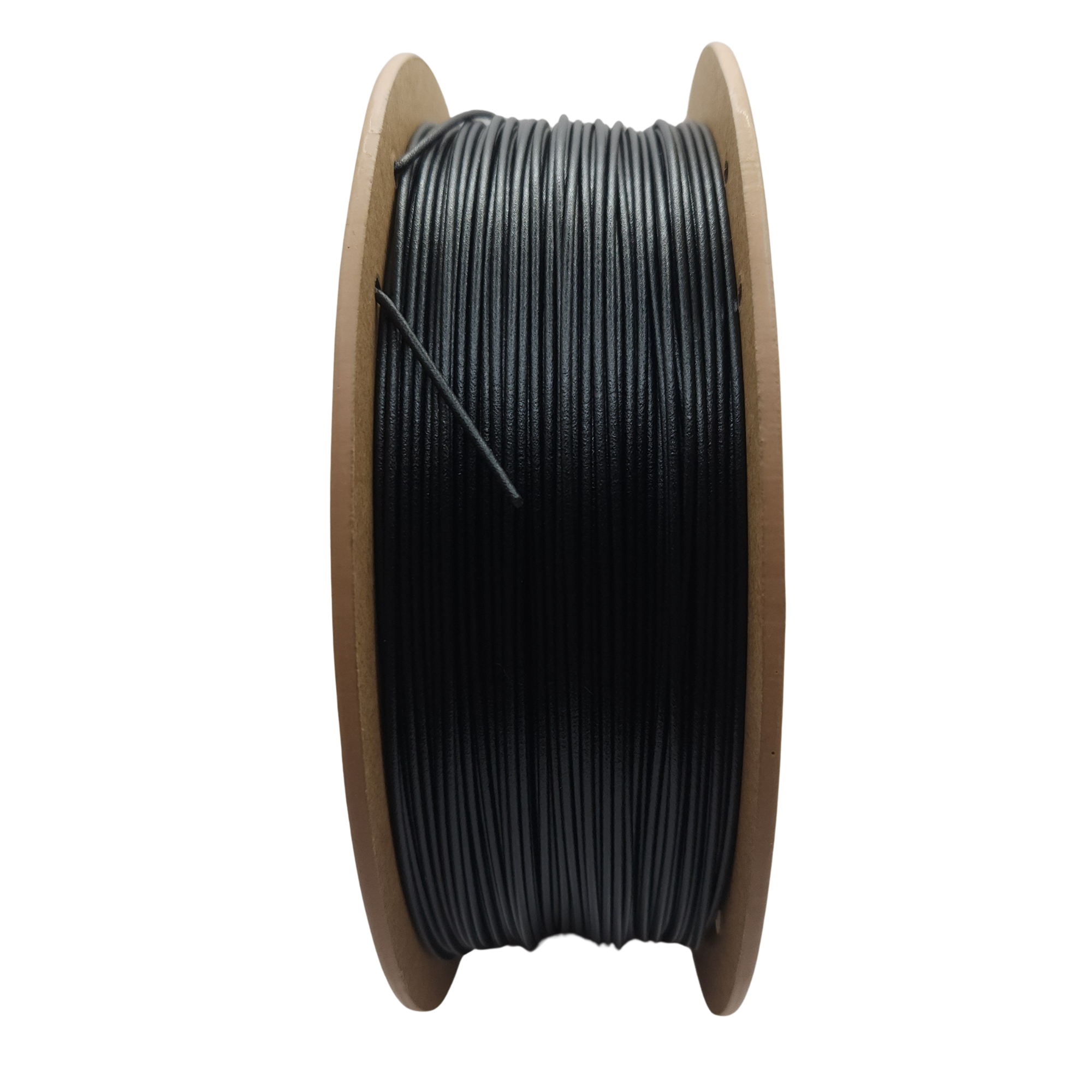
Spool: cardboard — AMS compatible
Applications
Structural gears, bushings, and bearings requiring tighter dimensional tolerances than standard PA6
Jigs, fixtures, and tooling in workshop or manufacturing environments
Mechanical brackets subject to load and vibration
Components exposed to oils, fuels, and greases needing added stiffness
Any nylon application where dimensional accuracy under load matters more than maximum flexibility
Filament Specifications
| Material | PA6 (Nylon 6) + Glass Fiber |
| Filament Net Weight | 1Kg |
| Filament Diameter | 1.75mm ±0.05mm |
| Spool | Cardboard |
| Spool Weight (Empty) | 185g |
| Spool Weight (w/ Filament) | 1.185Kg |
| Package Weight (Spool + Box) | 1.4Kg |
| Package Dimensions | 205x215x70mm |
Print Recommendations
| Print Temperature | 260-300°C |
| Bed Temperature | 100-120°C |
| Print Speed | 50 – 200 mm/s |
Drying Recommendation
| Drying Temp | 75-100° C |
| Drying Time | 6+ Hours |
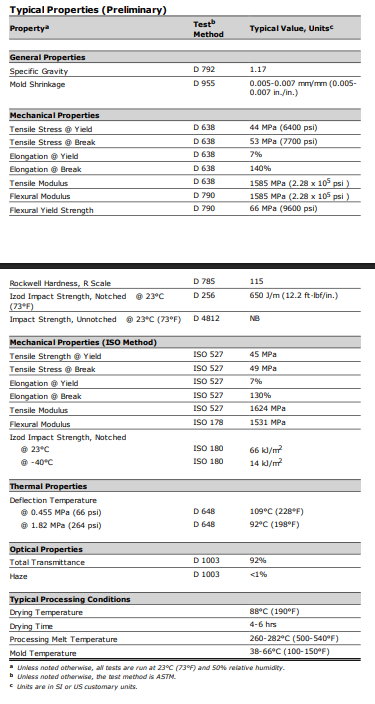
Manufacturer Data Sheet
Reviews
There are no reviews yet