material Selected

Matte PLA

Filter
Filter
Search
Colour
See more See less

Frequently Asked Questions

What Makes Matte PLA Different From Standard PLA?

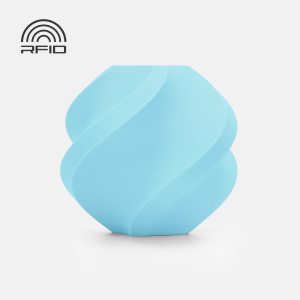
Matte PLA uses the same base polymer as standard PLA but includes additives that scatter light at the surface, producing a soft, non-reflective finish instead of the typical glossy look. It prints and handles almost identically to standard PLA, with the finish being the main difference.

Does Matte PLA Hide Layer Lines Better Than Glossy PLA?

Yes, to an extent. The diffused, non-reflective surface makes layer lines and minor print imperfections less visible under normal lighting, which is why matte finishes are popular for figurines, props, and display pieces where a clean, uniform look matters.

What Temperature Should I Print Matte PLA At?

Most Matte PLA prints well between 190–220°C on the nozzle, with a bed temperature of 45–60°C, similar to standard PLA. Check the specific product listing for the manufacturer’s recommended settings, as the matting additives can shift the ideal temperature slightly between brands.

Is Matte PLA As Strong As Standard PLA?

Broadly yes. Matte PLA has similar mechanical properties to standard PLA, though the matting additives can make it very slightly more brittle in some formulations. For most models, prototypes, and decorative prints, the difference isn’t noticeable in everyday use.

Is Matte PLA Harder To Print With Than Standard PLA?

No. Matte PLA prints just as easily as standard PLA, with no heated enclosure or special hardware required. It’s a straightforward swap for anyone already comfortable printing regular PLA.

What Are The Best Uses For Matte PLA?

Matte PLA is a favourite for miniatures, cosplay props, architectural models, and any print where a smooth, non-shiny surface improves the final look, particularly when painting the model afterwards since matte surfaces take paint more evenly than glossy ones.

How Should I Store Matte PLA Filament?

Like standard PLA, Matte PLA is hygroscopic and will absorb moisture from the air over time, which can affect surface finish and cause stringing. Store opened spools in a dry environment and use a filament dryer if print quality drops after extended exposure to humid air.