

Description
Lightweight Foaming Filament That Survives Outdoors
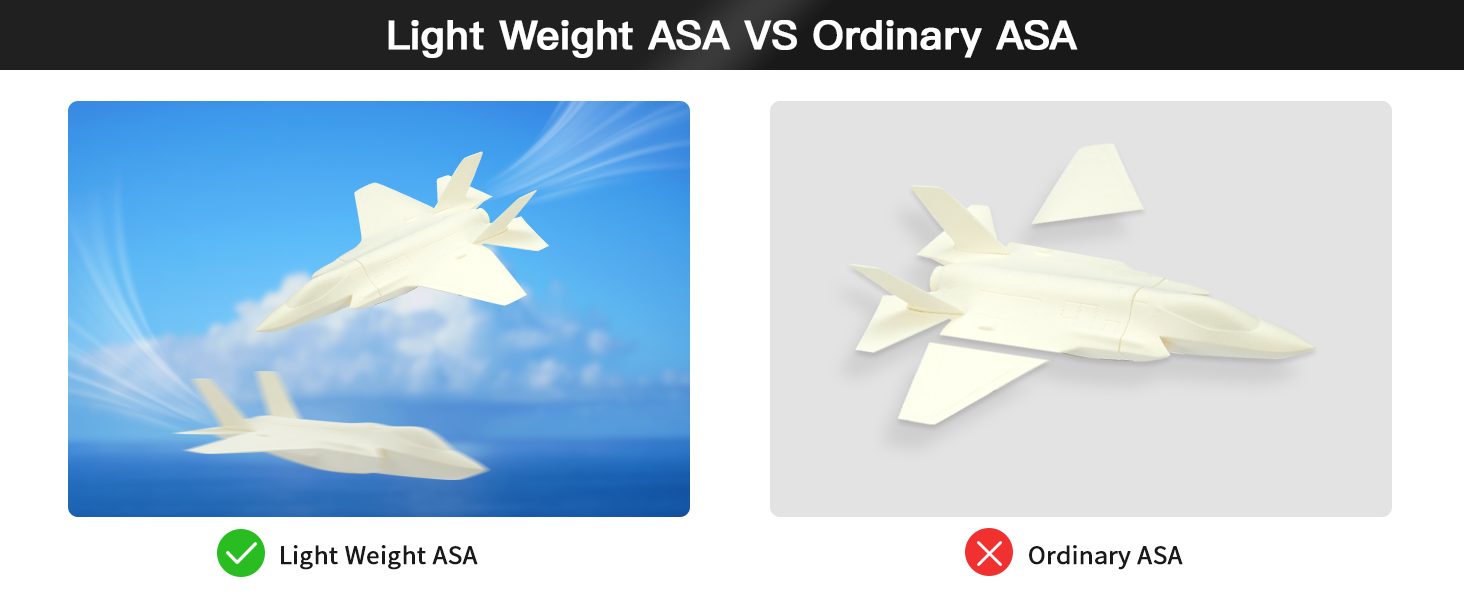
Eryone Light Weight ASA is a foaming filament that combines the weight reduction of LW-PLA with the UV resistance, weather durability, and higher heat tolerance of ASA. Where LW-PLA parts degrade in sunlight and soften above 55°C, LW-ASA maintains structural stability outdoors and handles temperatures up to approximately 80°C — making it the clear choice for any lightweight project that will see sun, rain, or heat.
If you’re building RC aircraft, outdoor drone components, boat hulls, or weatherproof props that need to be light, this is the filament that does both jobs at once.
How Foaming Works — Temperature Controls Weight
Like LW-PLA, LW-ASA uses nano-foaming technology that activates during extrusion. The filament expands as it exits the nozzle, producing parts with reduced density and lower weight. The degree of foaming is controlled by nozzle temperature — lower temperatures produce denser, heavier parts while higher temperatures increase foaming for maximum weight savings.
At full foaming, LW-ASA produces parts that are dramatically lighter than standard ASA prints of the same geometry, while retaining the toughness and impact resistance that ASA is known for.
Why LW-ASA Over LW-PLA?
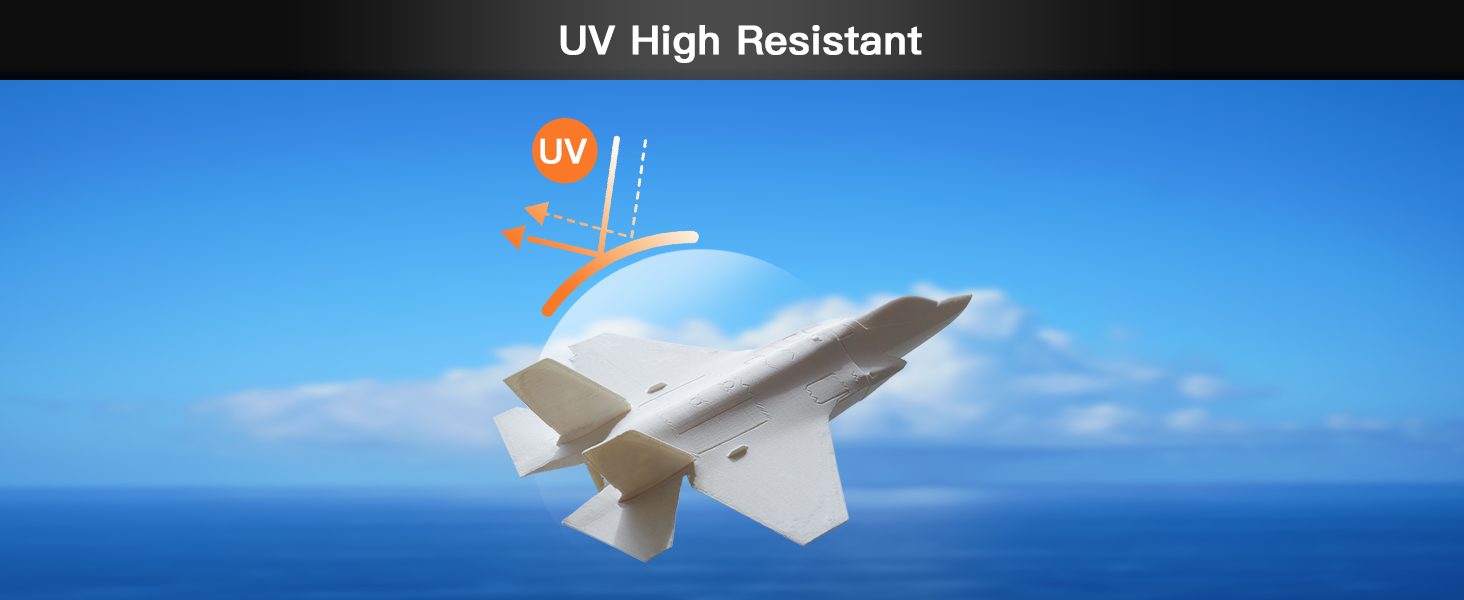
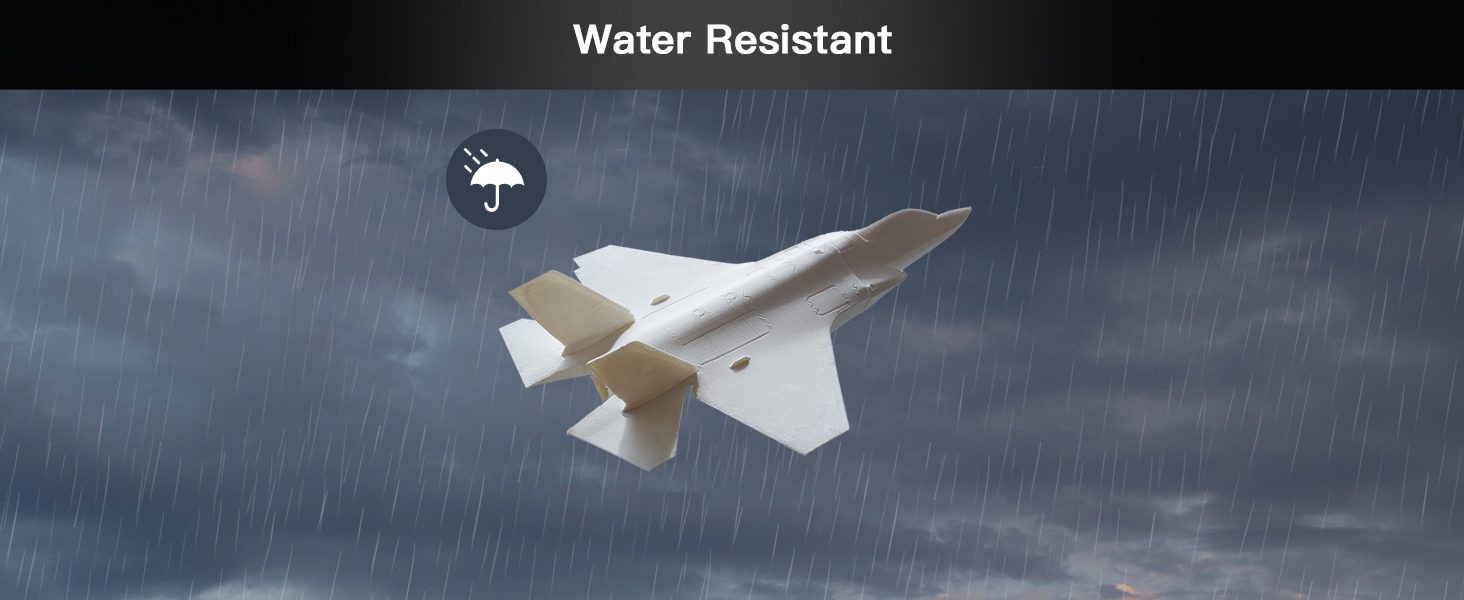
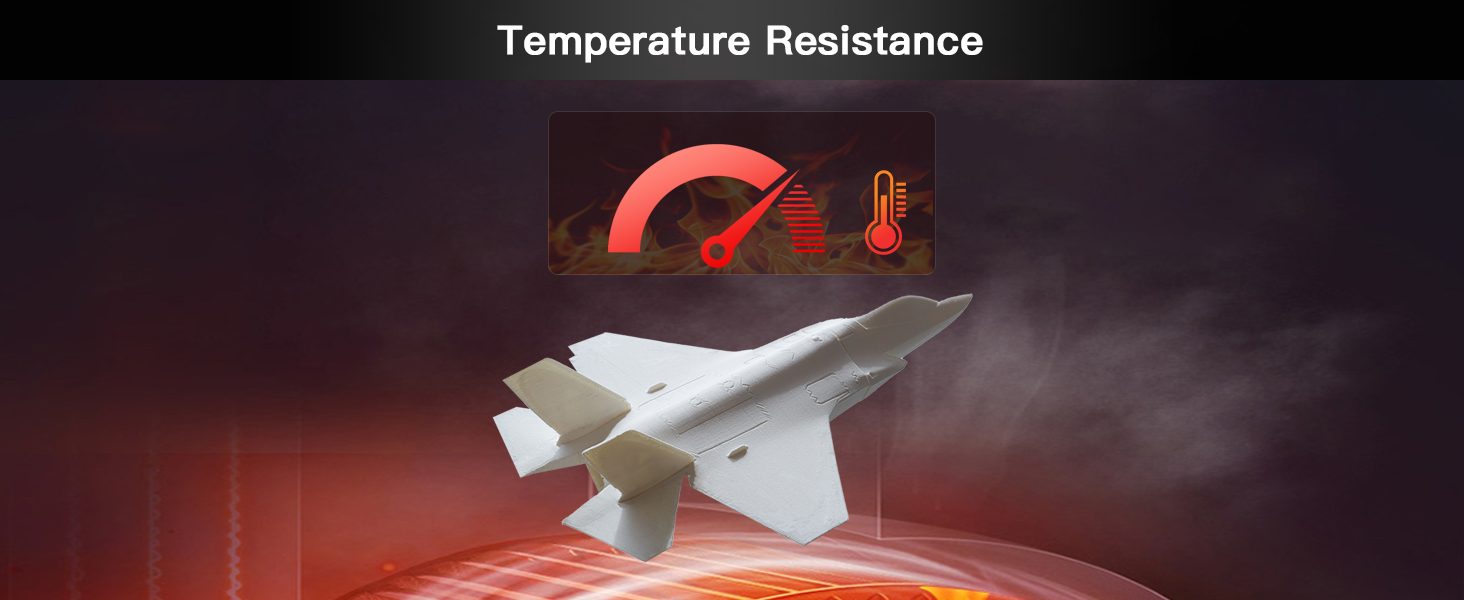
LW-PLA is an excellent lightweight filament for indoor use, but PLA breaks down in UV light, absorbs moisture, and softens at relatively low temperatures. For any lightweight project that will spend time outdoors or in warm environments, LW-ASA is the better material. It offers UV stability that prevents yellowing and degradation in sunlight, water resistance for outdoor and marine applications, a heat deflection temperature of approximately 80°C compared to LW-PLA’s ~55°C, and higher impact resistance and toughness than foamed PLA.
The trade-off is that LW-ASA requires higher print temperatures, a heated bed at 80–100°C, and ideally an enclosed printer for best results.
Fine Matte Finish
The foaming process produces a smooth, fine matte surface with near-invisible layer lines — similar to LW-PLA. The surface takes paint and primer well, making LW-ASA ideal for cosplay armour, display models, and any project that needs post-processing and finishing.
Printing Tips
LW-ASA requires slicer adjustments similar to LW-PLA to compensate for foaming expansion:
Nozzle temperature 200–280°C — lower temps for denser sections, higher temps for maximum foaming. Start around 240–250°C and adjust based on results.
Bed temperature 80–100°C — higher bed heat than LW-PLA is essential for adhesion.
Print speed 30–100 mm/s — slower speeds give more consistent foaming.
Flow rate — reduce to around 50–65% at high foaming temperatures to compensate for expansion. Fine-tune based on your print results.
Enclosure — not strictly required but significantly improves results, especially for larger prints. Reduces warping and maintains consistent foaming.
Drying — dry at 80–90°C for 10+ hours before first use. ASA is more moisture-sensitive than PLA and foaming amplifies any moisture-related issues.
Bed surface — glass, PEI, or spring steel plate all work well.
Ideal Applications
RC model aircraft, wings, and fuselages — lightweight with outdoor UV durability
Outdoor drone body panels and non-structural components
Model boats and watercraft that need weather resistance
Cosplay helmets and wearable armour — light, tough, and UV stable
Outdoor signage, props, and display models
Any lightweight project that will be exposed to sun, heat, or moisture
Technical Specifications
Material: ASA (Light Weight / Foaming)
Net weight: 750g
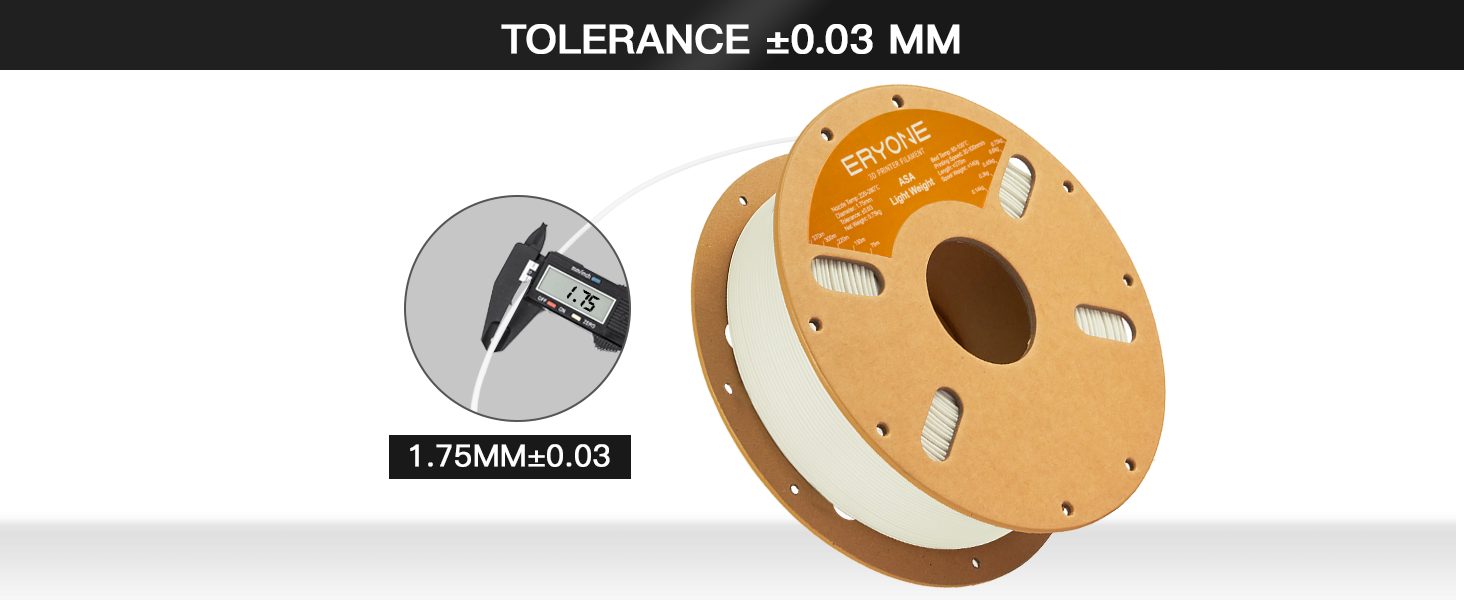
Diameter: 1.75 mm ±0.03 mm
Density: 0.99 g/cm³
Nozzle temperature: 200–280°C
Bed temperature: 80–100°C
Print speed: 30–100 mm/s
Heat deflection temperature: ~80°C
Vicat softening temperature: 75°C
Glass transition temperature: 64°C




Reviews
There are no reviews yet