material Selected

PA

Frequently Asked Questions

What Is PA Filament?

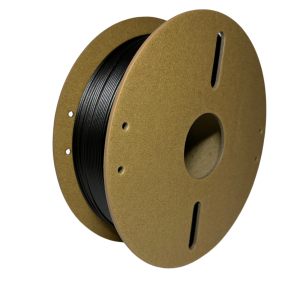
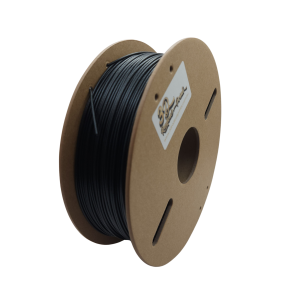
PA (polyamide), commonly known as nylon, is a tough, semi-flexible engineering filament prized for its impact resistance, wear resistance, and durability. It’s the material of choice for functional parts like gears, hinges, brackets, and snap-fits that need to survive repeated stress.
What Temperature Should I Print PA At?

Most PA filament prints between 240–270°C on the nozzle, with a bed temperature of 90–120°C, though some engineering blends run hotter. Always check the specific product listing for the manufacturer’s recommended settings, as this varies between PA6, PA12, and reinforced variants.

Does PA Filament Need To Be Dried Before Printing?

Yes, and it’s one of the most important steps. Nylon is extremely hygroscopic and can absorb enough moisture from the air in just a few hours to noticeably affect print quality. Dry at 70–85°C for 8–12 hours before printing, and store spools sealed with desiccant between sessions.

What Happens If I Print Wet PA Filament?

Wet nylon produces bubbling and popping sounds during extrusion, a rough or fuzzy surface finish, weak layer adhesion, and noticeably reduced part strength. If you notice any of these signs, dry the filament and try again — printing wet nylon can significantly compromise part strength even if it looks fine visually.

Do I Need An Enclosed Printer For PA Filament?

An enclosure is strongly recommended, especially for parts larger than a few centimetres. Nylon shrinks significantly as it cools, which causes warping and layer splitting in open air, while a chamber temperature of 40–50°C dramatically improves adhesion and dimensional accuracy.

What’s The Difference Between PA6, PA12, And Carbon Or Glass-Fibre Nylon?

PA6 and PA12 are the two most common nylon base types, with PA12 generally absorbing less moisture and being easier to print. Carbon-fibre nylon (PA-CF) adds stiffness and dimensional stability at the cost of some impact toughness, while glass-fibre nylon (PA-GF) prioritises heat resistance, holding its shape better at elevated temperatures.

How Strong Is Nylon Compared To PETG Or ABS?

Nylon is significantly tougher and more impact resistant than both PETG and ABS, with excellent fatigue resistance for parts under repeated stress or flexing. PETG and ABS are stiffer and considerably easier to print, so nylon is best reserved for parts where its toughness is genuinely needed.

What Is PA Filament Best Used For?

Nylon excels in mechanical, load-bearing applications: gears, hinges, cable ties, brackets, and snap-fit assemblies. Its low friction and wear resistance also make it a strong choice for parts that slide or rotate against other surfaces.