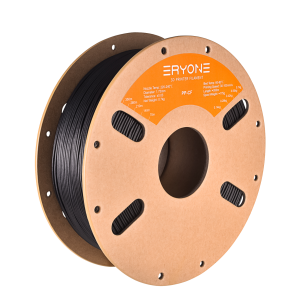
PP (polypropylene) is a semi-crystalline thermoplastic known for being lightweight, chemically resistant, and highly durable. It’s the same material used in food containers, bottle caps, and car parts, valued in 3D printing for its toughness and excellent fatigue resistance.
Is PP Filament Hard To Print With?
Yes, PP is considered one of the more challenging filaments due to significant warping and poor bed adhesion caused by its semi-crystalline structure. With the right build surface, bed temperature, and a stable printing environment, reliable results are achievable, but it isn’t recommended as a first material for beginners.
What Temperature Should I Print PP At?
PP typically prints between 220–270°C on the nozzle, with a heated bed around 80–105°C. Exact settings vary by brand and any added fibre reinforcement, so always check the specific product listing for the manufacturer’s recommended settings.
How Do I Get PP To Stick To The Bed?
PP bonds best to PP, so a dedicated PP-based build surface or PP packing tape on the bed gives the most reliable adhesion. A wide brim and a heated, draft-free environment also help reduce lifting and warping during the print.
Do I Need An Enclosure To Print PP?
An enclosure is strongly recommended. PP is highly prone to warping as it cools, so a stable, draft-free chamber temperature makes a significant difference to print success, especially on larger parts.
What Is PP Filament Best Used For?
PP’s fatigue resistance and flexibility make it ideal for living hinges, snap-fit parts, straps, and containers, while its chemical resistance suits lab equipment, fluid canisters, and parts exposed to solvents or cleaning chemicals.
Is PP Filament Food Safe?
PP itself is a food-safe material, but FDM-printed parts are porous by nature and can harbour bacteria or residue between layers, so we don’t recommend using 3D printed PP parts for storing food or drink unless printed on food-safe-labelled hardware.
Does PP Filament Absorb Moisture Like PLA Or Nylon?
No. PP is hydrophobic and resists moisture absorption far better than materials like PLA, PETG, or nylon, making it low-maintenance for storage, though keeping spools sealed away from dust is still good practice.