Do you want to bring your amazing digital designs to life? Well, this can be possible through 3D printing. However, navigating the world of 3D printing requires more than just a high-quality machine. You may have a professional 3D printer, but only with the right 3D filament Adelaide, you can unlock flawless prints. Whether you are an engineer prototyping complex components or a hobbyist crafting detailed miniatures, understanding material properties ensures project success. Keep reading to explore how to find the perfect filament for your next big creative breakthrough.
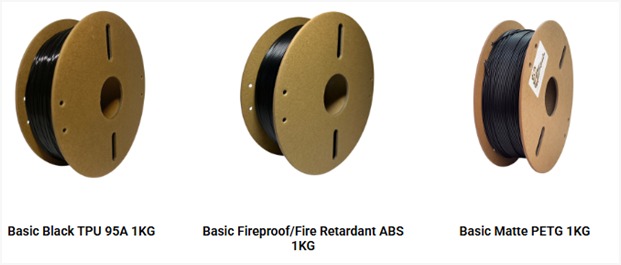
Understanding Major 3D Printing Materials
When searching for the right 3D printing materials, you will generally encounter three dominant thermoplastic materials. Every material serves a very distinct purpose. These are:
Polylactic Acid or PLA:
This is a well-known 3D filament for beginners and everyday printing. Derived from cornstarch, PLA is an eco-friendly material. You don’t need to use a heated print bed for this. It is an excellent option for display models, cosmetic prototypes, and low-stress artistic projects.
Polyethylene Terephthalate Glycol or PETG
Combining the durability of ABS and the ease of PLA, PETG is highly durable and chemical-resistant. This material is created to handle outdoor exposure incredibly well, making it a perfect choice for mechanical brackets, functional housings, and garden tools.
Acrylonitrile Butadiene Styrene or ABS
Impact-resistant, heat-resistant and tough, ABS is a legacy industrial material. To use this, you will need an enclosed printing chamber and a heated bed to prevent warping. With this 3D filament Adelaide, you can create parts that can be sanded easily.
Before placing your order, you should carefully check the diameter consistency, spool moisture protection, and spool compatibility to ensure you are getting the right filament for your machine.
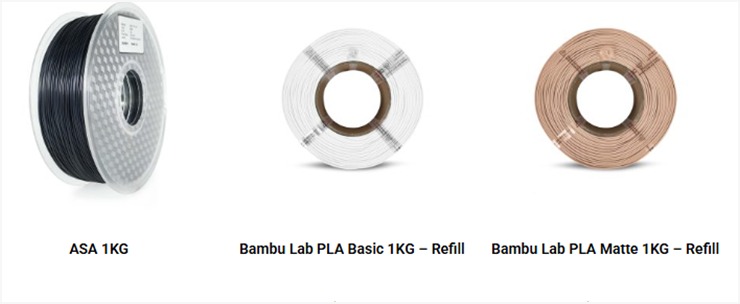
Final Words
Choosing the ideal 3D filament Adelaide does not have to be a trial-and-error method. By properly matching your project requirements with the right material properties and then sourcing from a local expert, you ensure structurally sound, visually beautiful results every single time. If you haven’t found a reliable supplier yet, then give 3D Radical Prints a try. We offer premium filaments at the best prices along with faster shipping. Explore a premium selection of local filaments today on our platform.
FAQs
Which 3D Filament Is Best for A Beginner?
For beginners, PLA would be an excellent option. This material does not require a heated bed and prints smoothly at lower temperatures. You will witness minimal warping and shrinkage with this.
Is There Any Particular Way to Store 3D Filaments?
It is advisable to store filaments in heavy-duty vacuum bags or airtight plastic containers along with silica gel packets. A damp filament can lead to brittle prints and excessive stringing.
Is It Possible to Print Heavy-Duty Mechanical Parts Using PLA Filament?
Standard PLA is too brittle for functional parts subjected to high stress or heat. You can use ABS or PETG for such parts.
Do You Offer Easy Shipping Facility?
Yes. With 3D Radical Prints, you will enjoy quick and secure shipping. You will not face any delay. We ensure you complete your project on time.
What is The Different Between 2.85mm and 1.75mm Filament Sizes?
These dimensions suggest the thickness of the plastic strand. Most advanced and modern 3D printers use 1.75mm filament, whereas certain industrial brands depend on 2.85mm material. Check your printer’s specifications before placing your order.